Yale Study Finds Reducing Parental Stress May Shield Children from Obesity
A landmark Yale trial links parental mindfulness to childhood obesity prevention, while new research validates the FDA's updated 'healthy' food standard and highlights growing concerns over pesticide exposure from popular produce.
Yale Trial Reveals Parental Stress Reduction Can Prevent Childhood Obesity
A 12-week randomized trial led by Yale psychologist Rajita Sinha has identified parental stress as a critical and often overlooked driver of childhood obesity. The study, published March 6 in the journal Pediatrics, enrolled 114 ethnically and socioeconomically diverse parents of overweight or obese children aged two to five. One group received a program called Parenting Mindfully for Health, which combined mindfulness-based stress management with nutrition and physical activity counseling, while a control group received only the diet and exercise guidance.
The results were striking. Parents in the mindfulness group showed lower stress levels, warmer parenting behaviors, and their children ate fewer unhealthy foods and maintained stable weight at the three-month follow-up. In contrast, children in the control group faced a six-fold increased risk of moving into the overweight or obesity category during the same period. According to Sinha, stress management represents "the third leg of the stool" alongside diet and exercise in preventing childhood weight gain.
The findings suggest that public health approaches to childhood obesity may need to expand beyond traditional nutrition education. Co-led by researchers Wendy Silverman and Ania Jastreboff, the study points toward integrating mental health support for parents as a potentially powerful tool in early obesity prevention strategies.

Only 14% of Common Foods Meet FDA's New 'Healthy' Standard, WSU Study Finds
A Washington State University study published in Current Developments in Nutrition has put the FDA's updated definition of 'healthy' food to the test, analyzing over 3,000 commonly consumed foods and beverages. The research, led by Kayla Hooker in WSU's Department of Nutrition and Exercise Physiology, found that products meeting the new standard had significantly higher nutrient density than those that did not, validating the rule's effectiveness as a consumer guide.
However, the study revealed a sobering reality: only 14% of the foods examined qualified as healthy under the updated criteria. High sodium and saturated fat, typically introduced during processing and cooking, were the most common disqualifiers. The FDA's rule, finalized in 2025, allows products to carry a 'healthy' label if they contain minimum servings from recommended food groups like fruits, vegetables, and whole grains, while limiting sodium, saturated fat, and added sugars.
According to Hooker, the new standard is more intuitive than its predecessor because it focuses on dietary recommendations rather than detailed nutrient thresholds, making it easier for shoppers to identify nutritious options. Senior author Pablo Monsivais noted an economic dimension as well: qualifying foods cost less per serving but more per calorie, highlighting the challenge of meeting energy needs through nutrient-dense choices alone. The FDA is currently developing a logo similar to the USDA organic seal to help consumers identify compliant products on store shelves.

Study Links Popular Fruits and Vegetables to Elevated Pesticide Levels in the Body
Research published in the International Journal of Hygiene and Environmental Health has found a direct connection between consuming certain popular fruits and vegetables and higher pesticide concentrations in the body. Scientists from the Environmental Working Group analyzed USDA pesticide residue data collected from 2013 to 2018 alongside dietary surveys and urine biomonitoring from 1,837 participants in the CDC's National Health and Nutrition Examination Survey.
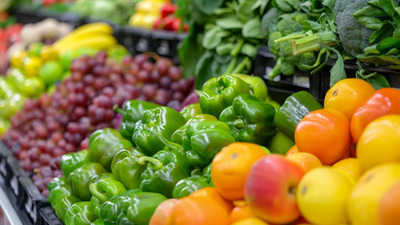
The researchers developed a dietary pesticide exposure score that estimates an individual's chemical exposure based on the types of produce consumed and the residue levels detected on those foods. Their analysis tracked 15 pesticide biomarkers across three categories: organophosphates, pyrethroids, and neonicotinoids. People who consumed more produce known to carry higher residues, such as strawberries, spinach, and bell peppers, showed significantly elevated pesticide levels in their urine.
While USDA testing identified 178 different pesticides on produce, only 42 corresponded to biomarkers measured in urine, suggesting that total exposure may be broader than current monitoring captures. The findings arrive as the 2026 Dirty Dozen list is expected later this month, with spinach and strawberries anticipated to remain near the top. Researchers emphasize that the health benefits of eating fruits and vegetables still outweigh the risks, but suggest that choosing organic options for the most contaminated items may help reduce exposure.
Tufts Researcher Explains Why 'Fibermaxxing' May Be More Than Just a Trend
As the social media-driven trend of 'fibermaxxing' continues to gain momentum, a Tufts University scientist is providing the research-backed rationale for why most Americans should indeed be eating more fiber. Jennifer Lee, a researcher at the Jean Mayer USDA Human Nutrition Research Center on Aging, notes that more than 90% of women and 97% of men in the United States fall short of the recommended daily fiber intake of 22 to 34 grams, depending on age and sex.
Research suggests that adequate fiber consumption supports far more than digestive regularity. Soluble fiber, found in fruits, vegetables, legumes, and oatmeal, feeds beneficial gut microbes and helps regulate blood sugar and cholesterol. Insoluble fiber, abundant in whole grains, nuts, and seeds, promotes healthy bowel movements. Together, they may lower the risk of colorectal, breast, and prostate cancers, as well as metabolic conditions like diabetes and obesity. Lee points to a nine-year gap between healthy aging and poor-quality aging that dietary patterns, including fiber intake, may influence.
The trend aligns with broader scientific findings. A separate six-week trial from the University of Nottingham, published earlier this year in the Journal of Translational Medicine, found that combining fermented kefir with prebiotic fiber produced a greater reduction in inflammation-related proteins than omega-3 supplements or fiber alone. Experts caution that those looking to increase fiber intake should do so gradually and with adequate water to avoid digestive discomfort.

What You Can Do
Read the Full Yale Parenting Study
Access the peer-reviewed research on mindfulness-based parental stress intervention and childhood obesity, published in Pediatrics.
Check Your Fiber Intake
Use the USDA guidelines to see if you are meeting the recommended 22-34 grams of daily fiber based on your age and sex.
Explore the EWG's Pesticide in Produce Guide
Review which fruits and vegetables carry the highest pesticide residues to make more informed shopping decisions.
This content is for informational purposes only and does not constitute medical advice. Consult healthcare professionals before making dietary or health changes.