Raw Cheese E. Coli Alert Grows as New Study Links Dental Health to Heart Disease Risk
Federal health officials urge Americans to avoid Raw Farm cheddar as a multistate E. coli outbreak spreads across three states, while groundbreaking research reveals that treating dental infections may protect the heart and regulate blood sugar.
FDA Warns of Multistate E. Coli Outbreak Tied to Raw Farm Cheddar; Producer Refuses Recall
Federal health authorities are urging consumers to stop eating Raw Farm brand raw cheddar cheese after at least seven people across California, Florida, and Texas fell ill with E. coli O157:H7 infections, with two hospitalizations reported. The outbreak has disproportionately affected young children — more than half of confirmed cases involve children aged three or younger. The CDC notes the actual number of infections is likely higher than confirmed.
The FDA, after investigating the outbreak, identified Raw Farm's California-based dairy as the likely source. All three patients interviewed reported consuming Raw Farm raw cheddar cheese before falling ill, and genetic sequencing showed closely related bacterial isolates suggesting a common source. Despite the FDA recommending a voluntary recall, Raw Farm has declined to remove its products from store shelves.
Shiga toxin-producing E. coli can cause severe diarrhea, vomiting, and stomach cramps, and is the leading cause of hemolytic uremic syndrome — a condition that can result in kidney failure, particularly in young children. Health officials strongly advise against consuming any Raw Farm raw cheddar cheese until the investigation concludes.

Root Canal Treatment May Lower Risk of Heart Disease and Diabetes, King's College Study Finds
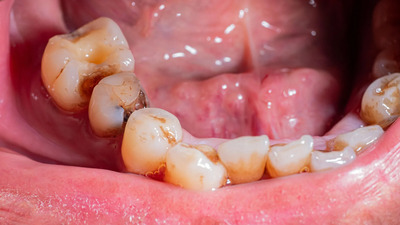
A clinical study from King's College London has found that successfully treating a common dental infection — apical periodontitis — can improve blood sugar control, lower cholesterol, and reduce systemic inflammation over a two-year period. The research, published in the Journal of Translational Medicine, monitored 65 patients at Guy's and St Thomas' NHS Foundation Trust following root canal procedures, tracking their blood chemistry using nuclear magnetic resonance spectroscopy.
The mechanism appears to be straightforward: tooth root infections allow bacteria to enter the bloodstream, where they trigger inflammation closely linked to cardiovascular disease and impaired blood sugar regulation. By eliminating the infection source, root canal treatment appears to interrupt this inflammatory cycle. Patients showed statistically significant drops in blood sugar and short-term improvements in cholesterol and fatty acid profiles.
Cardiologists and dental researchers say the findings underscore the importance of treating oral infections promptly — not just for dental health, but for overall metabolic and cardiovascular wellbeing. The study adds to a growing body of evidence connecting oral health to systemic disease, and may inform new protocols for patients with or at risk of diabetes and heart conditions.
Wellness Culture Is Moving On from Optimization — and Embracing the #Slowliving Movement
The Global Wellness Summit's March 2026 trend report signals a notable cultural pivot: consumers are increasingly rejecting the relentless self-tracking and optimization that defined wellness for the past decade. Instead, the emerging wellness philosophy emphasizes comfort rituals, unhurried mornings, and low-tech habits that feel restorative rather than performative. The movement, gaining traction online under the #slowliving hashtag, values calm and connection over metrics and goals.
This shift is reshaping how wellness brands and travel resorts position their offerings. Wellness destinations are de-emphasizing clinical protocols and biohacking, leaning instead into social experiences like communal saunas, stargazing evenings, and artisanal meals. At the same time, the Summit highlights an emerging category it calls ambient health intelligence — invisible diagnostic tools like smart toilets and contact lenses that passively track wellbeing without constant user engagement.
The Summit's top-ranked trend for 2026 is neurowellness — leveraging technology to regulate the nervous system and reduce chronic stress. But the broader message is nuanced: while advanced wellness technology continues to evolve, the biggest cultural appetite is for approaches that feel gentler, more sustainable, and far less exhausting than the biohacking era that preceded them.

2026 Fashion Trades Aspirational Fantasy for Bold, Joyfully Practical Style
This year's dominant fashion trends, as documented by KC Magazine and Runway Magazine's March coverage, are rooted in real life rather than runway fantasy. The defining aesthetic for 2026 centers on bold color combinations — tomato red, butter yellow, and cobalt blue — alongside playful textures like terry cloth, crochet, and quilted fabrics. The emphasis is on personality and mood over minimalism, with matching sets and retro-inspired silhouettes leading the charge.
Everyday dressing is having a practical renaissance. Poplin maxi skirts paired with graphic tees, mixed-wash denim-on-denim, and barrel-leg jeans with structured blazers are among the combinations being celebrated for their versatility in suburban and urban life. Vacation wear has grown more expressive, with printed boxer shorts and oversized sheer button-downs replacing the neutral linen looks that defined earlier years of the decade.
The broader fashion industry, according to Runway Magazine's March analysis, is anchored by three overlapping themes: heritage craftsmanship, performance-inspired design, and sustainability. Luxury fashion and everyday activewear are converging, with brands like Lululemon bridging the gap with graphic striping and streamlined silhouettes that work equally well for a spin class or a dinner reservation.

What You Can Do
Check If Your Cheese Is Safe
Review the FDA's ongoing E. coli outbreak investigation to see which Raw Farm products are under scrutiny and whether any you own are affected.
Do Not Skip That Dental Appointment
The new King's College study is a timely reminder that oral health directly affects systemic health — particularly heart disease and diabetes risk.
Explore the #Slowliving Movement
Discover how to incorporate slow-living principles into your wellness routine — from calm morning rituals to tech-free recovery practices.