Measles Surge Nears 1,000 Cases as Hospitals Scramble and Home Wellness Goes Analog
A rising measles outbreak tests unprepared hospital staff across the Carolinas, while 2026 travel and home design trends point toward nature, rest, and intentional living.
US Measles Cases Near 1,000 as Hospitals Face Doctors Who Have Never Seen the Disease
America's measles surge reached nearly 1,000 confirmed cases in 2026, with the CDC reporting 910 cases as of late February—putting the country on pace to far exceed the 2,280 total cases logged throughout all of 2025. South Carolina remains the hardest-hit state, accounting for more than 630 confirmed cases, with one rural county logging more cases than the entire state of Texas did last year. North Carolina, Utah, Florida, Arizona, and Washington state have also reported significant clusters, and hospitals in multiple states have been flagged as potential exposure sites.
A key challenge surfacing alongside the outbreak is institutional unpreparedness. According to reporting published February 24 by KFF Health News and Healthbeat, many emergency room physicians have never encountered a live measles case, since the vaccine-preventable disease had been nearly eradicated domestically for decades. In one case in Asheville, North Carolina, 7-year-old twins presenting classic measles symptoms—fever, rash, cough, and pink eye—waited over four hours before being isolated at Mission Hospital, exposing at least 26 other patients. Federal investigators subsequently placed the hospital under an "Immediate Jeopardy" designation, one of the most severe regulatory sanctions available.
Public health officials warn that reduced vaccination rates in certain communities, combined with a generation of clinicians who trained without ever seeing measles, creates a compounding risk. With federal health guidance under strain, many hospitals are now leaning on state epidemiologists and their own institutional protocols to manage a disease that spreads through airborne droplets and can linger in a room for up to two hours after an infected person leaves.

2026 Travel Trends: Coolcations, Sleep Tourism, and Hotel-Driven Itineraries Take Hold
A new travel report from Chase Travel reveals that 2026 travelers are turning away from crowded, sun-scorched destinations in favor of rugged natural landscapes, cooler climates, and curated wellness experiences. The so-called coolcation trend—booking trips specifically for cooler temperatures—has evolved from a buzzword into a mainstream strategy, with Finland emerging as a standout beneficiary: the country recorded 7.2 million foreign overnight stays in 2025, a historic milestone, with interest from American, German, and British travelers continuing to rise into 2026. Meanwhile, destinations like Chile's Atacama Desert, the Canadian Arctic, Dominica, and Sri Lanka are drawing travelers seeking unspoiled, off-the-beaten-path environments.
Sleep tourism is another rapidly rising category, driven by growing awareness of rest and recovery as preventive wellness. Hotels now offer dedicated sleep-focused packages including AI-powered beds, sleep concierges, and light-pollution-free night-sky retreats. The trend resonates especially with Gen Z travelers, who increasingly book dedicated sleep retreats as a form of structured recovery. Alongside these, the report from Chase Travel highlights how the Milan Winter Olympics drew global attention to the Dolomites in Northern Italy, boosting demand for alpine experiences well beyond the Games.
Perhaps the most striking finding: the hotel itself has become a destination. More than half of survey respondents said they booked trips specifically to visit a luxury hotel or resort, and 39% cited a new hotel opening as motivation for choosing a destination. This shift—hotels as landmarks rather than logistics—marks a fundamental change in how travelers, particularly aspirational ones, build their itineraries.

Home Design Shifts From Instagram-Ready to Genuinely Restorative in 2026
The dominant theme in home design for 2026 is a decisive shift away from performative aesthetics toward homes that are genuinely nourishing—spaces built around daily rituals, sensory comfort, and mental restoration. According to LivingEtc's trend report, the movement is partly driven by widespread digital fatigue: more homeowners are choosing analog experiences, displaying books on open shelves, hanging art and photographs on walls instead of camera rolls, and listening to music intentionally on vinyl or CD. Designers describe this as intentional friction—small, deliberate slowdowns that build skill, ritual, and meaning into the fabric of everyday life.
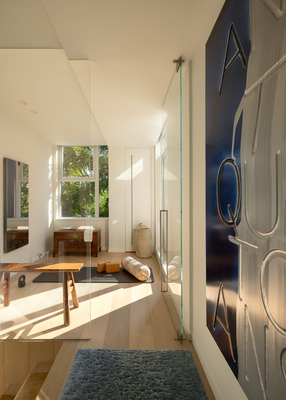
Wellness spaces have moved from optional luxury to mainstream priority. Dedicated rooms for meditation, yoga, and quiet reflection are among the most requested features in new home design, alongside spa-like bathrooms, saunas, and cold-plunge setups. The textures dominating interiors—plaster, terracotta, linen, wool, and rough-hewn wood—are chosen not just for appearance but for how they feel to live with over time, reinforcing a philosophy that values durability and sensory richness over trend-chasing.
Lighting is also being reconsidered through a wellness lens. The 2026 home lighting palette moves away from harsh cool-white illumination toward warmer, softer tones that shift through the day to support the body's natural rhythms. Earthy color palettes—chocolate brown, burgundy, and khaki—are replacing the sterile grays and stark whites of the previous decade, grounding interiors in tones that feel both nostalgic and deeply calming.
Qué Puedes Hacer
Check Your Measles Vaccination Status
With US measles cases approaching 1,000, public health officials recommend confirming you and your family are up to date on MMR vaccinations—especially before travel.
Plan a Coolcation or Sleep Retreat
Explore Finland, the Canadian Arctic, or other cooler-climate destinations for a restorative escape—or search for sleep-tourism packages at wellness-forward hotels.
Bring Analog Rituals Into Your Home
Incorporate intentional offline experiences—vinyl records, physical books, and natural textures—to create a more restorative and personally meaningful living space.