Pesticide Levels Rise With Popular Produce Choices as Harvard Study Reframes Heart-Healthy Eating
New peer-reviewed research confirms diet directly drives pesticide exposure in the body, while a landmark 200,000-person Harvard study finds food quality — not carb or fat quantity — is the real key to heart health.
Eating Strawberries and Spinach Significantly Raises Pesticide Levels in Body, Peer-Reviewed Study Finds
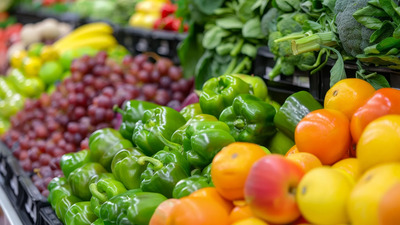
A peer-reviewed study published in the International Journal of Hygiene and Environmental Health has found that people who consume larger amounts of high-residue produce — including strawberries, spinach, and bell peppers — show significantly elevated pesticide levels in their urine compared to those who favor lower-residue options. Environmental Working Group (EWG) researchers analyzed dietary reports and urine biomonitoring data from 1,837 participants in the CDC's National Health and Nutrition Examination Survey (NHANES), measuring 15 pesticide markers across three classes: organophosphates, pyrethroids, and neonicotinoids.
The analysis combined USDA pesticide residue data from 2013–2018 with participant survey responses and urine samples from 2015–2016. According to EWG lead author Dr. Alexis Temkin, "The findings reinforce that what we eat directly affects the level of pesticides in our bodies. Eating produce is essential to a healthy diet, but it can also increase exposure to pesticides." Researchers highlighted young children and pregnant individuals as particularly vulnerable to potential harm from chronic pesticide exposure.
The study is described as laying groundwork for future long-term health research rather than discouraging produce consumption. Prior EWG research has found that switching to organic versions of high-residue produce can meaningfully reduce pesticide biomarkers in the body within days. The findings add scientific weight to consumer debates around conventional versus organic produce.
Harvard Study of 200,000 People: Heart Health Depends on Food Quality, Not Low-Carb vs. Low-Fat
A landmark study of nearly 200,000 Americans followed for approximately 30 years has found that cardiovascular health outcomes hinge not on cutting carbohydrates or fat, but on the overall quality of food consumed. Published February 11, 2026 in the Journal of the American College of Cardiology (JACC), the research found that both low-carb and low-fat diets reduced coronary heart disease risk by roughly 15% — but only when built around whole foods, plant-based proteins, healthy fats, and adequate fiber. Diets high in processed foods or animal fats showed no comparable benefit, regardless of macronutrient ratios.
The research, led by Harvard epidemiologist Zhiyuan Wu using data from the Health Professionals Follow-Up Study and Nurses' Health Studies I and II, found that participants eating high-quality diets had higher HDL cholesterol, lower triglycerides, and fewer inflammatory markers. According to Wu, "Focusing only on nutrient compositions but not food quality may not lead to health benefits," and "focusing on overall diet quality may offer flexibility for individuals to choose eating patterns that suit their preferences."
The American College of Cardiology described the findings as a significant challenge to entrenched diet debates. Rather than framing dietary choices as a contest between low-carb and low-fat approaches, the evidence suggests that flexible eating patterns built around minimally processed, nutrient-dense foods may be most effective for long-term cardiovascular health.

Survey: Most Americans Support New 'Eat Real Food' Dietary Guidelines, Largest Backing for Fruits and Vegetables
New survey research released March 5, 2026 by academics at the University of Illinois, Purdue University, and NC State University finds broad American public support for the newly released 2025–2030 Dietary Guidelines for Americans, with the highest endorsement for the recommendation to eat vegetables and fruits throughout the day. The Gardner Food and Agricultural Policy Survey (GFAPS), conducted in February 2026 with approximately 1,000 U.S. adults, assessed perceptions of eight specific recommendations from the updated federal guidance.
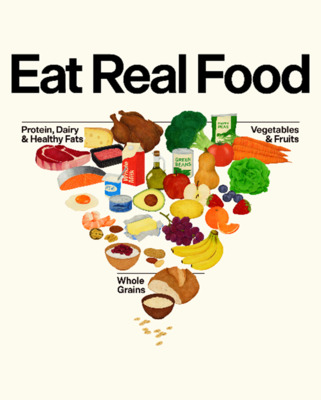
The 2025–2030 guidelines, released in January 2026, mark a notable departure from prior editions — they are significantly shorter, replaced the familiar MyPlate graphic with an inverted pyramid labeled "Eat Real Food," and launched a companion government site at realfood.gov. Key shifts include stronger emphasis on protein and full-fat dairy, more explicit criticism of highly processed foods, and sharper guidance on reducing added sugars. USDA Secretary Brooke Rollins stated the guidelines aim to realign the food system to support "American farmers, ranchers, and companies that grow and produce real food."
The survey also examined affordability perceptions and parental views on recommendations for young children, noting variation across income groups. The guidelines received an unusual degree of public attention: a 30-second Super Bowl commercial from the privately-funded MAHA Center Inc. featuring Mike Tyson directed viewers to realfood.gov, notable given that research has historically found low public awareness of previous dietary guidelines.
2026 Could Bring the Biggest Overhaul of U.S. Dietary Supplement Regulation in Two Decades
Regulatory attorneys and industry analysts are calling 2026 a potentially transformative year for U.S. dietary supplement oversight, with sweeping FDA rulemaking expected to reshape ingredient safety frameworks. A March 5 analysis in NutraIngredients USA highlighted that the FDA is expected to advance a proposed rule eliminating the private "self-affirmed GRAS" pathway, which currently allows companies to independently determine that food and supplement ingredients are Generally Recognized as Safe without formal FDA notification. Attorneys estimate roughly 10,000 ingredients could be affected.
The FDA's Human Foods Program 2026 priorities include four major supplement-related deliverables: GRAS reform, finalization of new dietary ingredient (NDI) guidance, dietary supplement oversight modernization, and caffeine labeling guidelines. HHS Secretary Robert F. Kennedy Jr. has publicly directed the FDA commissioner to pursue rulemaking revisions to the GRAS framework, with industry sources indicating the goal is to complete key steps before the 2026 midterm elections. A prior government shutdown delayed an expected October 2025 rule release.
Industry stakeholders hold mixed views. Proponents of mandatory GRAS filing argue it would improve ingredient transparency and consumer safety. Critics warn it could stifle food innovation and overwhelm FDA review capacity. Regulatory attorney Ivan Wasserman noted unresolved questions about implementation: "Will it involve artificial intelligence? Will they get more money to hire more staff? All that remains to be seen."
Qué Puedes Hacer
Check the EWG Shopper's Guide to Pesticides
Learn which fruits and vegetables carry the highest and lowest pesticide residues to make more informed produce purchasing decisions.
Read the Harvard Heart Health Study Summary
Review Harvard T.H. Chan School's summary of the low-carb vs. low-fat diet findings published in JACC.
Explore the New U.S. Dietary Guidelines
Visit the official 'Eat Real Food' government resource to review the full 2025–2030 Dietary Guidelines for Americans.
Este contenido es solo para fines informativos y no constituye asesoramiento médico. Consulte a profesionales de la salud antes de realizar cambios dietéticos o de salud.