New Heart Guidelines Urge Statins Starting at Age 30
Landmark cholesterol guidelines lower the treatment age to 30, while massive food recalls and shifting travel trends reshape daily life decisions.
New Heart Disease Guidelines Recommend Statins as Early as Age 30
The American College of Cardiology and American Heart Association, along with nine additional medical organizations, released sweeping new cholesterol management guidelines on March 13 that lower the recommended age for considering statin therapy from 40 to 30. Under the updated framework, adults as young as 30 with LDL cholesterol of 160 mg/dL or higher, a strong family history of premature heart disease, or a high 30-year cardiovascular risk should discuss statin treatment with their doctors. Generic statins now cost roughly three dollars per month, making early intervention more accessible than ever.
The guidelines also introduce a first-of-its-kind recommendation for universal lipoprotein(a) testing. Because lipoprotein(a) levels are genetically determined and remain stable throughout life, the test typically needs to be performed only once, ideally in early adulthood. Elevated lipoprotein(a) is an independent risk factor for heart disease that affects roughly one in five people, yet most have never been tested. The new PREVENT risk calculator replaces older tools and now projects both 10-year and 30-year cardiovascular risk for adults ages 30 to 79.
Cardiovascular experts called the shift a "sea change" in prevention. Dr. Steven Nissen of the Cleveland Clinic emphasized that lifetime risk is what truly matters, while Dr. Roger Blumenthal of Johns Hopkins noted the guidelines give physicians a more complete picture of a patient's cardiovascular risk. With more than 80 percent of cardiovascular disease considered preventable and a quarter of U.S. adults currently living with elevated LDL cholesterol, the updated guidelines could affect millions of Americans' treatment plans.

Trader Joe's Frozen Food Recall Expands to Nearly 37 Million Pounds Over Glass Contamination
A massive frozen food recall affecting Trader Joe's, Costco, and Kroger stores has expanded to nearly 37 million pounds of products after consumers reported finding glass shards in their meals. Manufacturer Ajinomoto Foods North America initially recalled 3.4 million pounds on February 19, then dramatically expanded the recall on March 3 to include an additional 33.6 million pounds of frozen Asian food products distributed nationwide.
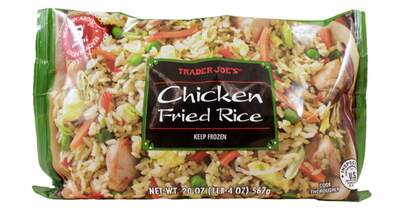
Four Trader Joe's branded products are affected: Vegetable Fried Rice, Chicken Fried Rice, Japanese Style Fried Rice, and Chicken Shu Mai, with "best by" dates ranging from late February 2026 through early 2027. The company traced the contamination source to a vegetable ingredient, specifically carrots, that introduced glass into the production line. While four consumer complaints were filed, no confirmed injuries have been reported.
Trader Joe's is urging customers to check their freezers immediately and return any affected products to their nearest store for a full refund. The recall stands as one of the largest frozen food recalls in recent memory, affecting products that had been distributed to stores across the entire United States.
FDA Warns Consumers in Nine States After Shellfish Recall Linked to Norovirus Outbreak
The FDA issued an advisory on raw oysters and Manila clams harvested from Drayton Harbor, Washington, after a norovirus-linked illness outbreak prompted a recall spanning nine states. The affected shellfish, harvested between February 13 and March 3, 2026, were distributed to restaurants and retailers in Arizona, California, Florida, Georgia, Illinois, Nevada, New York, Oregon, and Washington.
The recall covers raw oysters from the Drayton Harbor Oyster Company and Manila clams from the Lummi Indian Business Council. Federal health officials warned that contaminated shellfish may look, smell, and taste completely normal but can still cause illness. Norovirus symptoms typically appear 12 to 48 hours after consumption and include vomiting, diarrhea, nausea, and stomach cramps, with most people recovering within one to three days. However, the virus poses a more serious threat to people with compromised immune systems.
Whatcom County health officials are recommending that consumers cook all oysters, clams, and mussels to at least 145 degrees Fahrenheit before eating them. Anyone who has recently consumed raw shellfish from the affected harvest area and is experiencing symptoms is advised to contact their healthcare provider promptly.

AARP Survey Finds Older Adults Embracing AI for Travel Planning as Costs Rise
Nearly two-thirds of Americans aged 50 and older plan to travel in 2026, with annual spending expectations climbing from $6,800 to $7,200, according to a new AARP travel trends survey published March 10. The findings reveal a generation of travelers who remain determined to prioritize vacations despite growing cost pressures, with 86 percent ranking travel among their top three discretionary spending priorities.
One of the survey's most striking findings is the rapid adoption of artificial intelligence for trip planning among older adults. The share using AI tools to find travel deals doubled in a single year, jumping from 8 percent to 16 percent. Meanwhile, 89 percent of respondents report regularly shopping for travel bargains, and more than half leverage loyalty programs to offset rising expenses. International travel appetite is also shifting, with trips to Asia and the Middle East surging from 10 to 18 percent of planned international travel.
The survey also uncovered rising anxiety around air travel, with cancellation concerns jumping from 24 percent in 2025 to 36 percent in 2026. Respondents attributed much of this worry to disruptions caused by the late-2025 government shutdown. Despite these headwinds, the motivation to travel remains strong: seven in ten family travelers said their primary goal is strengthening bonds and creating lasting memories with loved ones.

Qué Puedes Hacer
Ask About Lipoprotein(a) Testing
The new ACC/AHA guidelines recommend a one-time lipoprotein(a) blood test for all adults. Talk to your doctor about getting tested, especially if you have a family history of heart disease.
Check Your Freezer for Recalled Products
If you shop at Trader Joe's, Costco, or Kroger, verify whether any frozen fried rice, ramen, dumplings, or shu mai in your freezer matches the recall list. Return affected items for a full refund.
Use AI Tools to Plan Your Next Trip
AARP's survey shows AI travel planning is catching on fast. Try AI-powered tools to compare deals, build itineraries, and find loyalty program savings for your next vacation.