Major Review Finds Intermittent Fasting No Better Than Traditional Dieting
A comprehensive Cochrane review challenges the intermittent fasting trend, while a 30-year Harvard study reveals that food quality trumps macronutrient ratios for heart health.
Cochrane Review Deflates Intermittent Fasting Hype for Weight Loss
A major systematic review published February 18, 2026, found that intermittent fasting offers no significant weight loss advantage over conventional diet advice or even no structured intervention at all. The Cochrane review analyzed 22 randomized clinical trials involving nearly 2,000 adults across North America, Europe, China, Australia, and South America, examining various fasting approaches including alternate-day fasting, periodic fasting, and time-restricted eating.
Despite the enormous popularity of intermittent fasting on social media and among wellness influencers, the evidence suggests these timing-based eating patterns do not produce clinically meaningful differences in weight loss outcomes. Researchers noted that the available studies were often small and inconsistent in reporting side effects, making it difficult to fully assess potential risks alongside the lack of clear benefits.
The findings represent a significant challenge to the widespread belief that changing when you eat leads to better results than traditional approaches to managing obesity, which has more than tripled globally since 1975 according to the World Health Organization. While intermittent fasting may work as a reasonable option for some individuals, the current evidence does not support the enthusiasm and dramatic claims often seen in popular media.

30-Year Study of 200,000 Adults: Food Quality Matters More Than Low-Carb vs Low-Fat Debate
Research published February 11, 2026, in JACC challenges the long-standing debate over whether low-carbohydrate or low-fat diets are superior for heart health. The Harvard-led study tracked nearly 200,000 U.S. adults for over three decades and found that both dietary patterns were associated with approximately 15% lower coronary heart disease risk when built around high-quality, nutrient-dense foods—but only when emphasizing plant-based proteins, whole grains, and healthy fats.
The study revealed a stark contrast: versions of these diets constructed from refined carbohydrates and animal-based fats and proteins were linked to higher heart disease risk and worse metabolic health markers. Lead researcher Zhiyuan Wu from Harvard T.H. Chan School of Public Health emphasized that conflicting results in past studies likely stemmed from not accounting for food quality, as people can follow low-carb or low-fat patterns in vastly different ways.
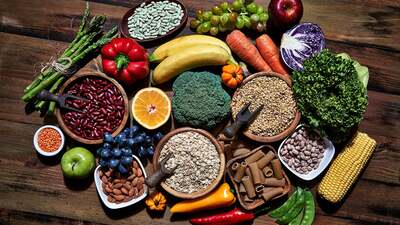
The findings suggest that Americans would benefit more from focusing on incorporating vegetables, legumes, whole grains, nuts, and olive oil rather than fixating on macronutrient percentages. This research adds important nuance to dietary guidance at a time when the 2025-2030 Dietary Guidelines for Americans have placed renewed emphasis on whole, minimally processed foods.
Calorie-Restrictive Fasting Diet Shows Promise for Crohn's Disease Management
Stanford Medicine researchers reported in January 2026 that a short-term, calorie-restrictive diet significantly improved both symptoms and biological markers in patients with mild-to-moderate Crohn's disease. The national randomized controlled trial, published in Nature Medicine, found that approximately two-thirds of participants following a fasting-mimicking diet experienced symptom improvement—a notable finding in a field that has long lacked large-scale dietary intervention studies.
"What should I eat?" remains one of the most common yet difficult-to-answer questions from inflammatory bowel disease patients. This research offers a potential evidence-based answer for those with Crohn's disease, a chronic inflammatory condition affecting millions worldwide. The intervention involved a structured, temporary reduction in caloric intake rather than long-term dietary restrictions.
While the findings are promising, researchers acknowledge the inherent challenges in studying dietary interventions, including the difficulty of blinding participants and the strong placebo effect associated with diet changes. The study represents an important step toward developing practical, scientifically-backed dietary guidance for IBD patients who have historically received limited concrete advice about nutrition's role in managing their condition.

O Que Você Pode Fazer
Read the Full Cochrane Review
Access the complete systematic review examining intermittent fasting evidence across 22 clinical trials.
Explore the JACC Heart Health Study
Review the 30-year Harvard research on diet quality and cardiovascular disease published in the flagship cardiology journal.
Este conteúdo é apenas para fins informativos e não constitui aconselhamento médico. Consulte profissionais de saúde antes de fazer mudanças dietéticas ou de saúde.